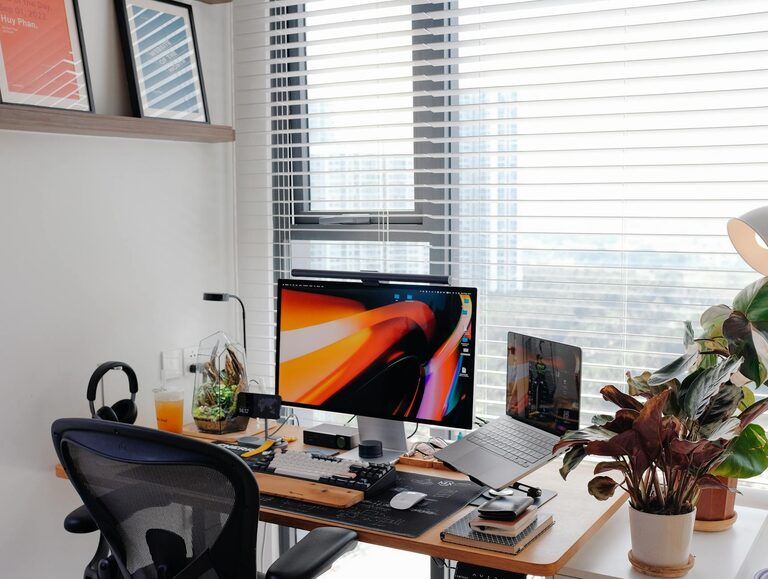
Working from home has become a regular part of life for many, making a well-organised and comfortable home office essential. Creating a productive home office environment isn’t just about having a desk and a laptop—it’s about designing a space that inspires focus, minimizes distractions, and supports your well-being throughout the day. Here are some helpful tips to guide you in setting up your ideal home workspace.
Choose the Right Location
Find a Quiet Space
Select an area in your home that is as quiet as possible. Avoid high-traffic zones such as kitchens or living rooms where noise and interruptions are common. If space is limited, consider using room dividers or noise-cancelling headphones to create a sense of separation from daily household activities.
Maximise Natural Light
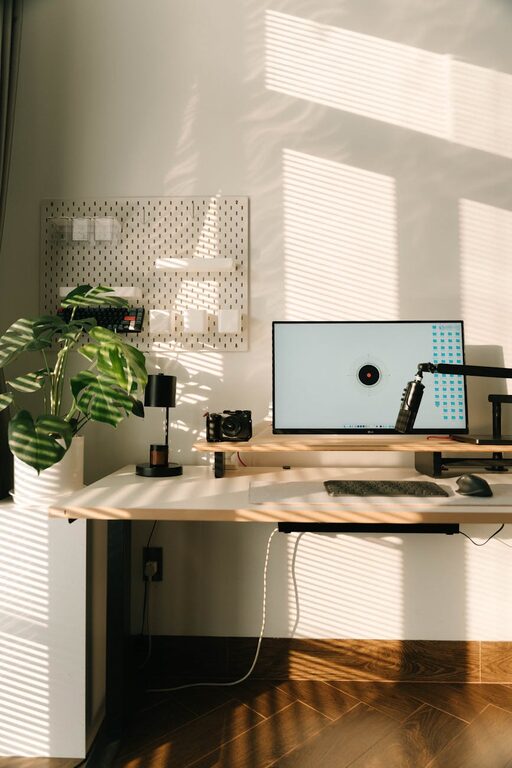
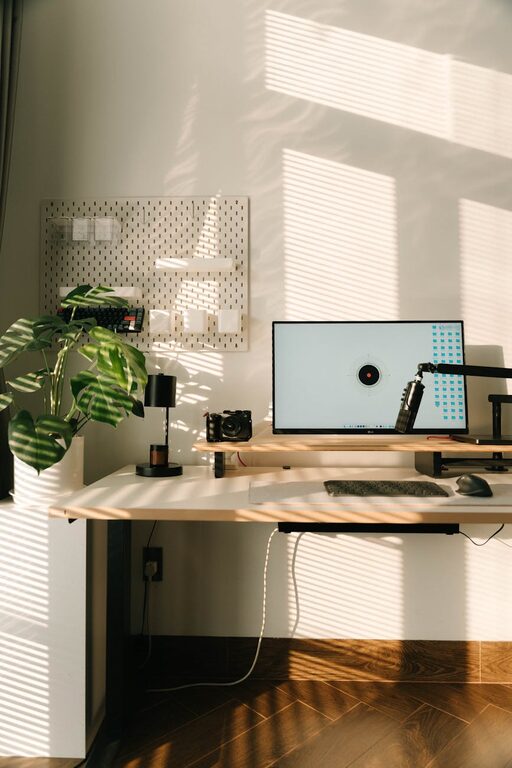
Position your desk near a window to benefit from natural light. Daylight can improve mood and energy levels, making working more pleasant and reducing eye strain. If natural light is limited, invest in a daylight lamp or good-quality lighting to brighten your workspace.
Invest in Ergonomic Furniture
Choose a Supportive Chair
Spending long hours sitting means a comfortable, supportive chair is crucial. Look for chairs with adjustable height, lumbar support, and cushioning to maintain good posture and reduce back pain.
Use a Suitable Desk
Your desk should be the right height, allowing your arms to rest comfortably while typing. A clutter-free desk can improve concentration; consider desks with storage compartments to keep essentials organised.
Consider a Standing Desk
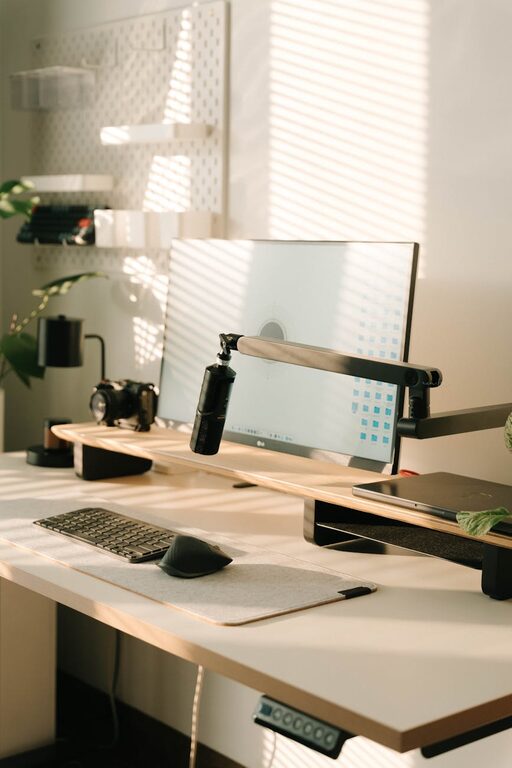
If possible, use a sit-stand desk to alternate between sitting and standing during the day. This can help reduce fatigue and improve circulation.
Organise Your Workspace Effectively
Declutter Regularly
Remove unnecessary items from your desk to reduce distractions and create a calming environment. Use drawer organisers, trays, or boxes to keep stationery and documents handy but tidy.
Use Cable Management Solutions
Loose cables can easily become messy and distracting. Use cable clips, sleeves, or under-desk trays to keep wires organised and out of sight.
Personalise Tastefully
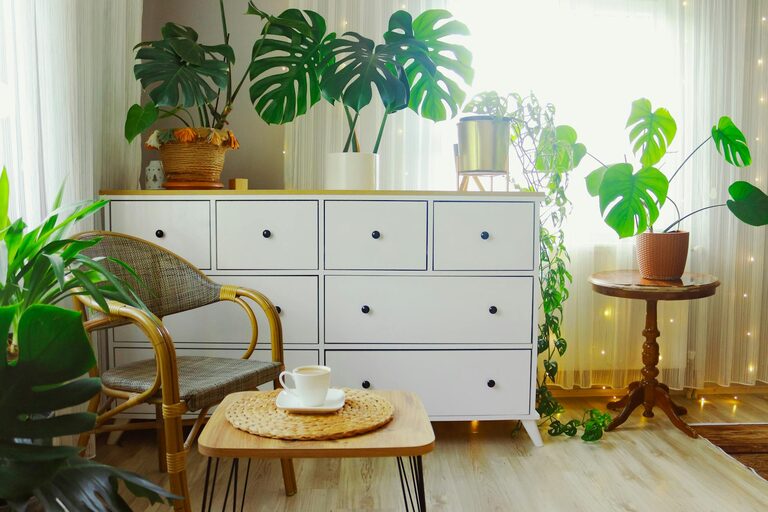
Adding a few personal touches, such as plants, photos, or artwork, can make your workspace more inviting. Keep these items minimal to avoid clutter and distractions.
Minimise Distractions
Set Boundaries with Household Members
Let others in your home know your work hours and when you shouldn’t be disturbed. Using a sign on your door or wearing headphones as a “do not disturb” signal can be helpful.
Limit Digital Interruptions
Turn off non-work notifications and set specific times to check emails and social media. Consider apps that block distracting websites during focused work periods.
Create a Routine
Establish Regular Working Hours
Having set start and finish times can help maintain a healthy work-life balance and improve productivity. Stick to these hours as much as possible, just as you would in a traditional office.
Take Breaks
Schedule short breaks throughout the day to rest your eyes and stretch your body. This helps prevent burnout and keeps your mind fresh.
Optimise Technology and Tools
Ensure Reliable Internet
A fast, stable internet connection is vital for smooth communication and efficient work. Consider upgrading your router or using an ethernet connection if Wi-Fi is inconsistent.
Use Quality Equipment
Invest in a good-quality monitor, keyboard, and mouse. These can reduce eye strain and fatigue, and increase comfort during long working hours.
Back Up Your Work
Use cloud storage or external drives to regularly back up your files. This protects your work from accidental loss or technical issues.
Prioritise Well-being
Pay Attention to Air Quality
Good ventilation helps you stay alert and comfortable. Open windows regularly or use an air purifier if needed.
Keep Hydrated and Nourished
Have water nearby and schedule time for meals and snacks to maintain your energy levels.
Incorporate Movement
Add small stretches or short walks into your day to boost circulation and reduce stiffness.
—
Creating a productive home office environment involves thoughtful planning and small, consistent adjustments. By focusing on comfort, organisation, and healthy work habits, you can build a workspace that supports your productivity and overall well-being. Whether you work from home occasionally or daily, these tips can help you create a more enjoyable and effective working environment.
About the Author