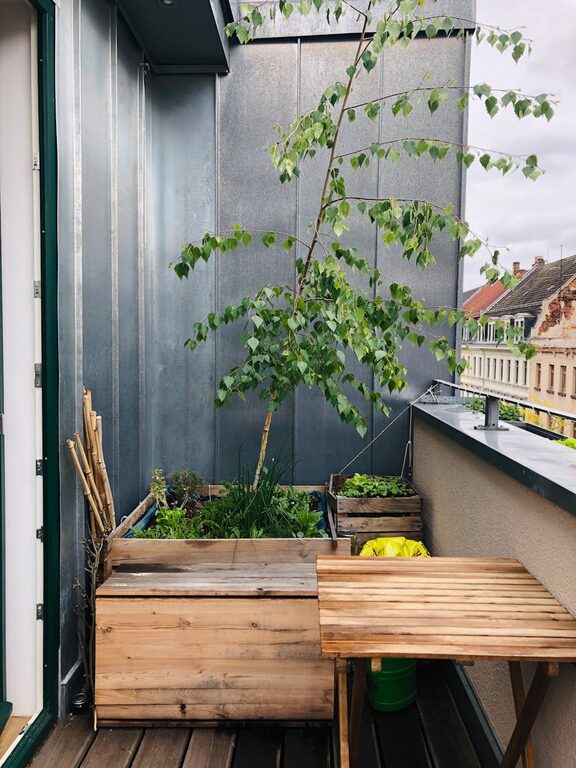
Creating a sustainable garden in a small urban space is a rewarding way to connect with nature, reduce your environmental footprint, and enjoy fresh plants or produce. Even if you live in a flat with a tiny balcony or a small courtyard, there are plenty of ways to build a thriving garden that respects the planet and fits your lifestyle.
In this post, we’ll explore practical tips to help you design, plant, and maintain a sustainable garden in tight city spaces. Whether you’re a beginner or have some experience, these ideas will guide you towards greener, more eco-conscious gardening.
Why Choose Sustainable Gardening in Urban Areas?
Urban gardening has many benefits but practising sustainability goes a step further. A sustainable garden:
– Conserves resources like water and energy
– Supports biodiversity by attracting pollinators and wildlife
– Reduces waste by composting garden scraps
– Minimises chemical use, promoting soil health
– Encourages use of native and adaptable plant species
By adopting sustainable principles, your garden will thrive while positively contributing to the environment and community.
Planning Your Small Sustainable Garden
Assess Your Space
Start by measuring your available gardening area carefully. This might be a balcony, windowsill, rooftop, or small yard. Take note of:
– The amount of sunlight throughout the day (full sun, partial shade, or shade)
– Protection from wind and rain
– Available vertical and horizontal surfaces
Knowing these factors helps you choose the right plants and garden layout.
Choose Sustainable Containers and Materials
Using eco-friendly containers and materials reduces waste and pollution. Consider:
– Reusing pots, crates, or buckets instead of buying new plastic pots
– Selecting containers made from natural or recycled materials such as terracotta, wood, or recycled plastic
– Using untreated wood for raised beds or supports
– Employing biodegradable liners or fabrics if needed
Avoid single-use plastics and non-recyclable materials as much as possible.
Selecting the Right Plants
Opt for Native and Drought-Tolerant Plants
Native plants are adapted to your local climate and soil, requiring less water and care. Drought-tolerant plants help conserve water, especially important in urban areas. Examples include lavender, sedum, rosemary, and sage.
Grow Edible Plants
If space allows, growing herbs, salad greens, cherry tomatoes, or chillies can provide fresh food, reduce food miles, and connect you with your meals. Choose compact and productive varieties suited for containers.
Mix Different Species
Plant diversity strengthens your garden’s ecosystem, reduces pests, and supports pollinators like bees and butterflies. Incorporate flowers, herbs, shrubs, and even small trees if possible.
Sustainable Gardening Practices
Water Wisely
Water is a precious resource. To conserve it:
– Use drip irrigation or watering cans instead of hoses to limit waste
– Water early in the morning or late evening to reduce evaporation
– Collect rainwater using barrels or buckets, if allowed and feasible
– Mulch around plants to retain soil moisture and prevent weed growth
Improve Soil Health Naturally
Healthy soil supports strong plant growth without chemical fertilisers. You can:
– Add homemade compost made from kitchen scraps and garden waste
– Use organic mulches like shredded leaves or straw
– Avoid synthetic fertilisers and pesticides, opting for natural alternatives such as seaweed extract or neem oil
Compost Your Waste
Composting reduces organic waste sent to landfill and provides nutrient-rich soil for your plants. Even small spaces can accommodate a compact compost bin or wormery.
Encourage Wildlife and Pollinators
Attract insects and birds by:
– Planting nectar-rich flowers
– Leaving small patches of bare soil for ground-nesting insects
– Avoiding insecticides that harm beneficial species
– Installing bird feeders or insect hotels if space permits
Maximising Space with Smart Gardening
Vertical Gardening
Use walls, fences, or railing-mounted planters to grow upwards instead of outwards. Vertical gardens save space and improve air quality. Hanging baskets and trellises are perfect for vines and climbing plants.
Container Gardening
Containers offer flexibility. Use pots, window boxes, or recycled items to grow plants on balconies or patios. Make sure containers have good drainage and are sized appropriately for the plants.
Succession Planting and Intercropping
Grow plants in rotation or combine fast-growing crops (like radishes) with slower ones (like tomatoes) to maximise harvests throughout the season.
Maintaining Your Sustainable Urban Garden
– Regularly check for pests and deal with infestations organically, by handpicking or using natural deterrents
– Prune plants to optimise air circulation and growth
– Rotate plants in containers each season to avoid soil depletion
– Keep your garden clean and tidy, recycling plant trimmings where possible
Conclusion
Creating a sustainable garden in a small urban space is entirely achievable with thoughtful planning and eco-friendly practices. By selecting the right plants, conserving resources, using natural materials, and encouraging biodiversity, your garden will not only flourish but also contribute positively to the urban environment.
Start small, observe how your garden responds, and enjoy the process of nurturing your green space regardless of its size. Sustainable gardening offers a wonderful way to bring nature’s benefits into your busy city life.
Happy gardening!
About the Author