Creating a sustainable and eco-friendly home environment is a rewarding way to reduce your ecological footprint while making your living space healthier and more efficient. Whether you’re starting fresh or gradually adopting new habits, there are many simple yet impactful changes you can make to your home. This guide covers practical tips to help you begin your journey towards a greener lifestyle.
Why Create a Sustainable Home?
A sustainable home focuses on using resources wisely, minimising waste, and lowering energy consumption. This not only benefits the planet but can also improve your comfort and reduce household bills. By adopting eco-friendly practices, you contribute to conserving natural habitats, reducing pollution, and creating a healthier indoor environment for your family.
Start with Energy Efficiency
Energy efficiency is often the easiest and most effective place to begin.
Use Energy-Efficient Lighting
Switch traditional incandescent bulbs to LED or CFL bulbs. These use significantly less electricity and last much longer, reducing both your energy bills and the frequency of replacements.
Insulate Your Home Properly
Good insulation keeps your house warmer in winter and cooler in summer, reducing the need for heating and cooling systems. Check your loft, walls, floors, and windows to identify insulation improvements.
Choose Energy-Efficient Appliances
When replacing old appliances, select those with high energy ratings. Look for the ENERGY STAR label or equivalent certifications that indicate better energy performance.
Consider Renewable Energy Sources
If possible, install solar panels or explore community renewable energy schemes. These options may require an initial investment but can considerably reduce your reliance on fossil fuels.
Reduce Water Usage
Water conservation is a key part of an eco-friendly home.
Fix Leaks Promptly
A dripping tap might seem minor but can waste thousands of litres annually. Regularly check and repair any leaks in your plumbing system.
Install Water-Efficient Fixtures
Choose low-flow showerheads, taps, and dual-flush toilets to reduce water consumption without sacrificing functionality.
Harvest Rainwater
Consider setting up a rainwater harvesting system for watering plants or washing cars. This reduces the demand for treated mains water.
Embrace Sustainable Materials
From furniture to décor, selecting sustainable materials makes a difference.
Opt for Natural and Recycled Materials
Wood from sustainable sources, bamboo, cork, and recycled metals are excellent choices for eco-friendly furnishings. They often have a smaller environmental impact than plastics or non-renewable materials.
Avoid Harmful Chemicals
Choose paints, sealants, and adhesives with low or zero volatile organic compounds (VOCs) to improve indoor air quality.
Upcycle and Repurpose Items
Before buying new, see if you can refurbish or creatively reuse old items. Upcycling helps reduce waste and adds unique character to your home.
Reduce Waste and Encourage Recycling
Minimising waste helps lower your household’s environmental footprint.
Set Up a Recycling Station
Clearly labelled bins for paper, plastics, glass, and metals encourage everyone in the household to recycle properly.
Compost Organic Waste
Composting food scraps and garden waste turns them into valuable fertiliser, reducing the volume of rubbish sent to landfill.
Shop Mindfully
Buy only what you need, choose products with minimal packaging, and support local markets or bulk stores where possible.
Create a Healthy Indoor Environment
Sustainability is not just about the outside world — it’s about your home’s wellbeing too.
Increase Natural Light and Ventilation
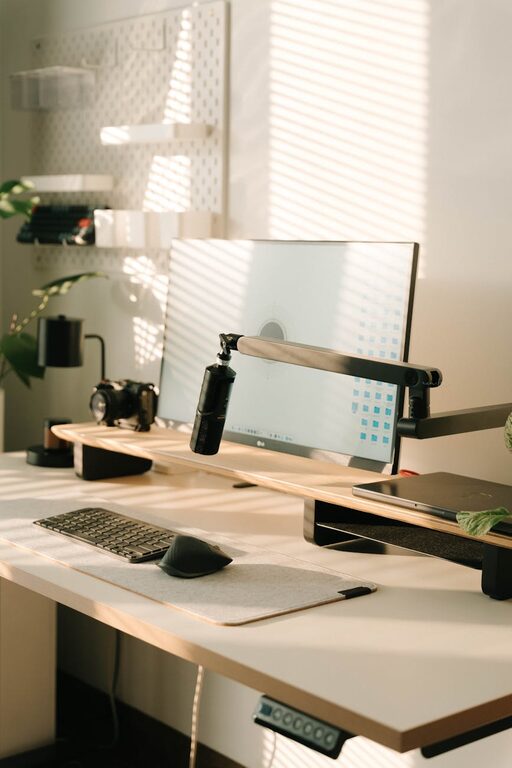
Maximise daylight and ensure good airflow to reduce the need for artificial lighting and improve air quality.
Use Houseplants
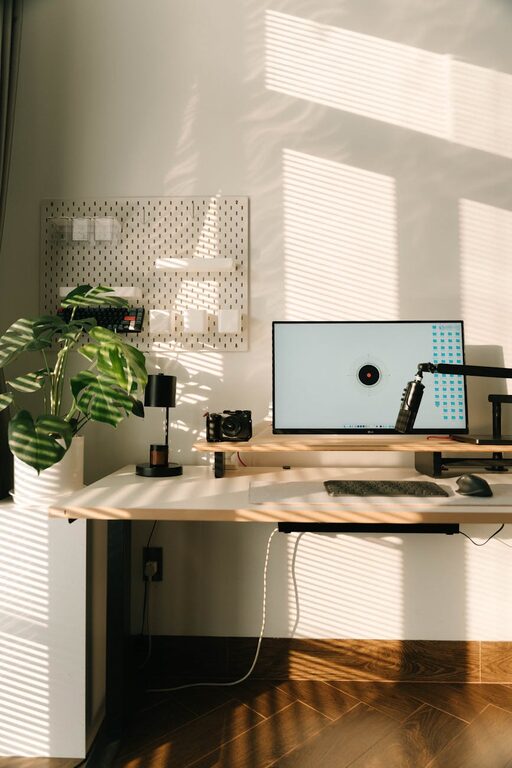
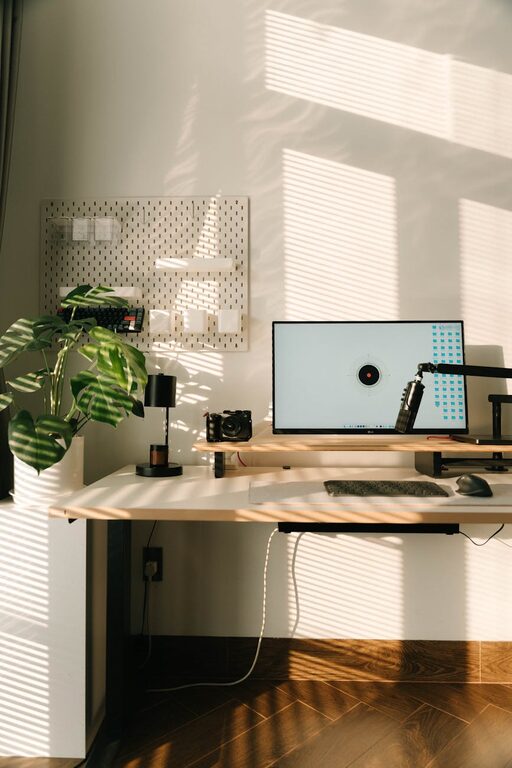
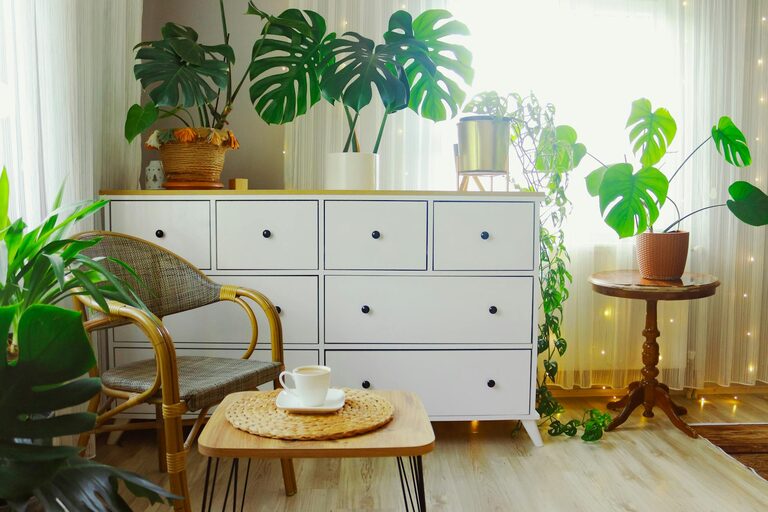
Plants absorb carbon dioxide and release oxygen, while some can filter indoor pollutants. Choose varieties suited to your home’s conditions.
Maintain a Clean, Chemical-Free Home
Use natural cleaning products such as vinegar, baking soda, and citrus-based solutions to reduce exposure to harsh chemicals.
Maintain and Improve Your Garden Sustainably
The outdoor space around your home offers further opportunities to live eco-friendly.
Plant Native Species
Native plants support local wildlife and require less water and maintenance.
Create Habitats for Wildlife
Include bird feeders, insect hotels, and log piles to encourage biodiversity.
Avoid Chemical Pesticides and Fertilisers
Use organic alternatives or natural pest control methods to protect beneficial insects and the environment.
Final Thoughts
A sustainable, eco-friendly home is achievable through a combination of small changes and thoughtful choices. Each step you take towards resource efficiency, waste reduction, and healthier living conditions benefits not only the planet but also your family’s wellbeing and your household budget. Begin with manageable actions and build upon them over time for lasting impact.
By living gently on the Earth, your home becomes a part of the wider solution for a sustainable future.
About the Author