
Working from home has become increasingly common, and creating a productive home office environment is essential to stay focused and efficient. A well-designed workspace not only enhances your performance but also improves your overall comfort and wellbeing. Here are some helpful tips to help you build a home office that supports productivity and keeps distractions at bay.
Choose the Right Location
Picking the ideal spot for your home office is the first step. Ideally, it should be a quiet area away from household noise and high foot traffic. If possible, separate the workspace from areas used for leisure or rest to help your brain associate the office area specifically with work.
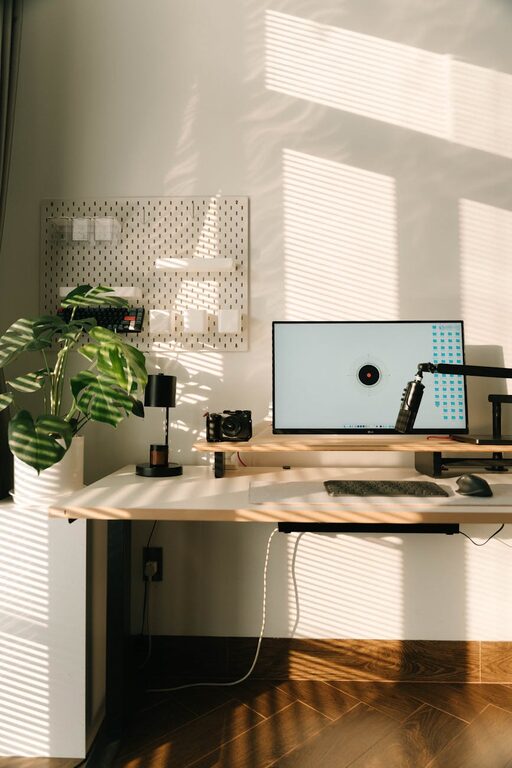
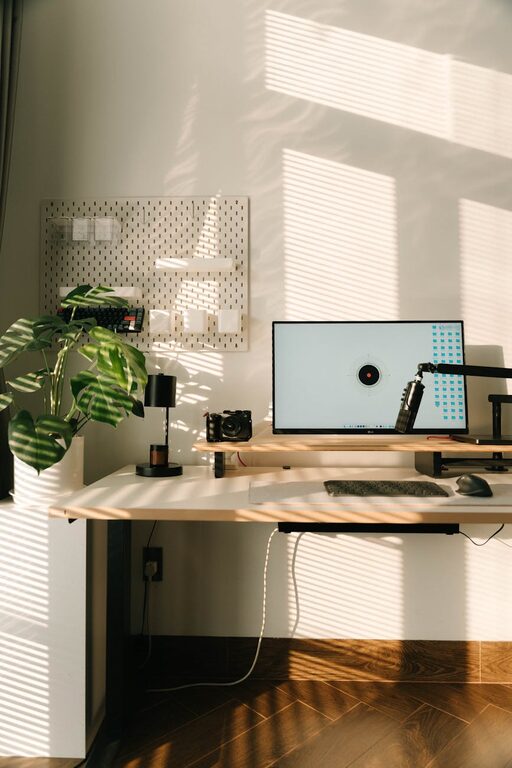
A room with natural light is preferable, as daylight boosts mood and alertness. If natural light is limited, use daylight-equivalent bulbs to reduce eye strain.
Invest in Comfortable and Functional Furniture
Ergonomics play a crucial role in maintaining comfort and preventing strain during long working hours. Consider the following:
– Desk: Choose a desk that fits your needs — big enough for your computer, paperwork, and accessories without feeling cramped.
– Chair: Invest in an ergonomic chair that supports your spine and encourages good posture.
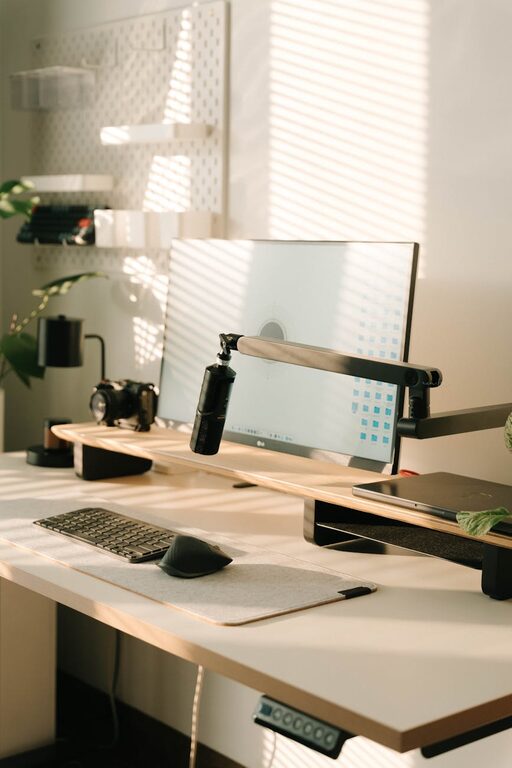
– Adjustable Equipment: Use height-adjustable desks or monitor stands to keep screens at eye level, reducing neck and back discomfort.
Proper furniture will help you work longer without fatigue and maintain good health.
Keep the Space Organised
A tidy workspace reduces distraction and promotes focus. Try these organisation tips:
– Use storage solutions like shelves, drawers, and filing cabinets to keep items out of sight but within reach.
– Keep only essential items on your desk to avoid clutter.
– Regularly declutter to prevent build-up of unnecessary materials.
– Label files and containers for easy retrieval and better workflow.
Organisation saves time and creates a sense of calm.
Minimise Distractions
External interruptions and clutter can reduce productivity. Here are some ways to minimise disruptions:
– Inform other household members of your working hours to limit interruptions.
– Use noise-cancelling headphones if you’re in a noisy environment.
– Turn off or mute non-work-related notifications on your devices.
– Set boundaries around personal phone and social media use during work hours.
Creating a distraction-free zone enhances concentration and efficiency.
Personalise Your Space Thoughtfully
While it’s important to keep distractions down, having some personalised touches makes the environment more inviting and motivating:
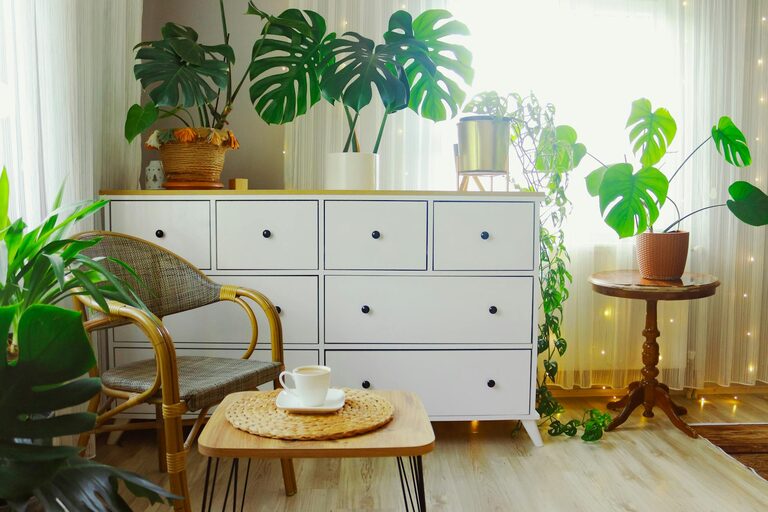
– Add plants to improve air quality and create a calming atmosphere.
– Use colours that boost productivity such as blues and greens.
– Decorate with artwork or inspirational quotes that encourage positive thinking.
A pleasant workspace boosts morale and keeps you engaged.
Ensure Proper Lighting
Lighting is essential for your comfort and alertness:
– Position your desk near a window if possible for natural light.
– Avoid harsh overhead lighting that causes glare; use task lighting such as desk lamps.
– Adjust screen brightness to match ambient light and reduce eye strain.
Good lighting prevents headaches and fatigue.
Establish a Routine and Boundaries
Creating a dedicated workspace alone isn’t enough. Build routines and boundaries to keep work and home life balanced:
– Set regular working hours and stick to them.
– Take breaks away from your desk to recharge.
– Use rituals to start and end your workday, signalling transitions.
– Avoid working in bed or other relaxing zones to maintain mental separation.
A consistent routine increases productivity and promotes wellbeing.
Optimise Technology Setup
Ensure your technology supports your work:
– Invest in a reliable internet connection to avoid interruptions.
– Use external keyboards, mice, and monitors for improved ergonomics and comfort.
– Organise your cables and chargers to prevent a tangled mess.
– Regularly update software and back up your data.
An efficient tech setup reduces frustration and helps maintain workflow.
Maintain Good Air Quality and Temperature
A comfortable environment includes fresh air and the right temperature:
– Open windows regularly or use an air purifier if needed.
– Use a fan or heater to maintain a comfortable temperature.
– Avoid overly dry or humid conditions.
Comfort influences focus and energy levels.
Final Thoughts
Designing a productive home office requires a thoughtful blend of comfort, organisation, and boundaries. By choosing the right location, investing in ergonomic furniture, maintaining organisation, minimising distractions, personalising your space, and establishing clear routines, you can create an environment that supports your best work. Small changes can make a big difference in your daily productivity and overall satisfaction when working from home.
Remember, your home office should be a place where you feel focused, comfortable, and motivated — tailor it to suit your unique needs and preferences for the best results.
About the Author