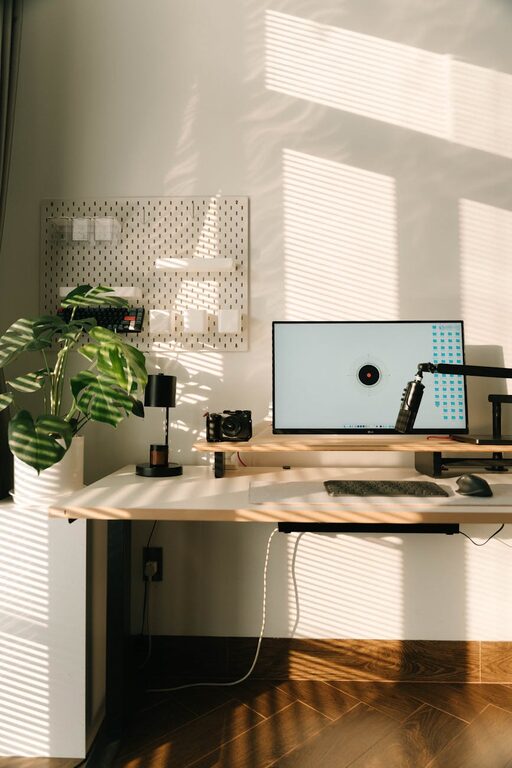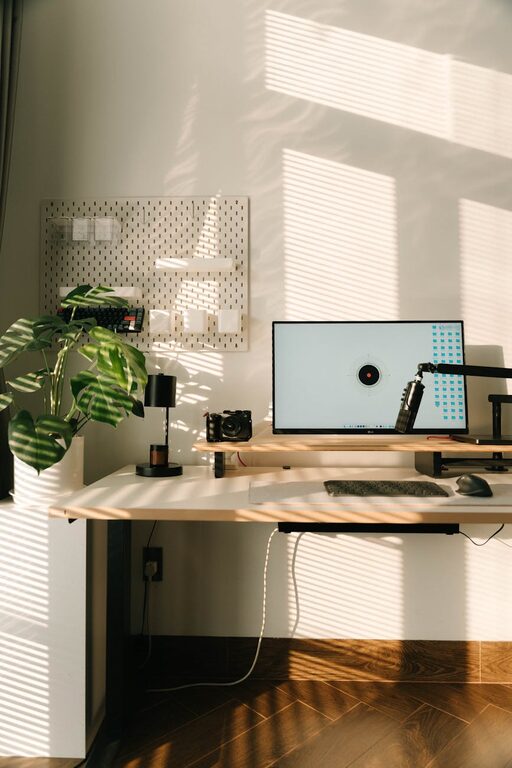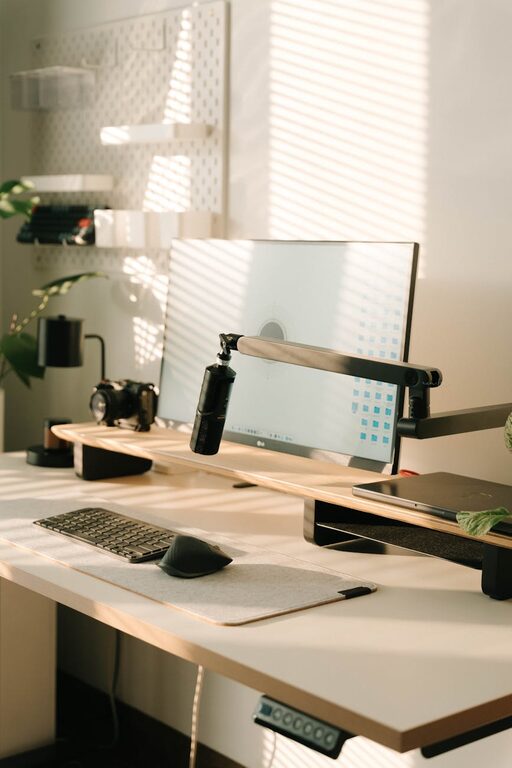
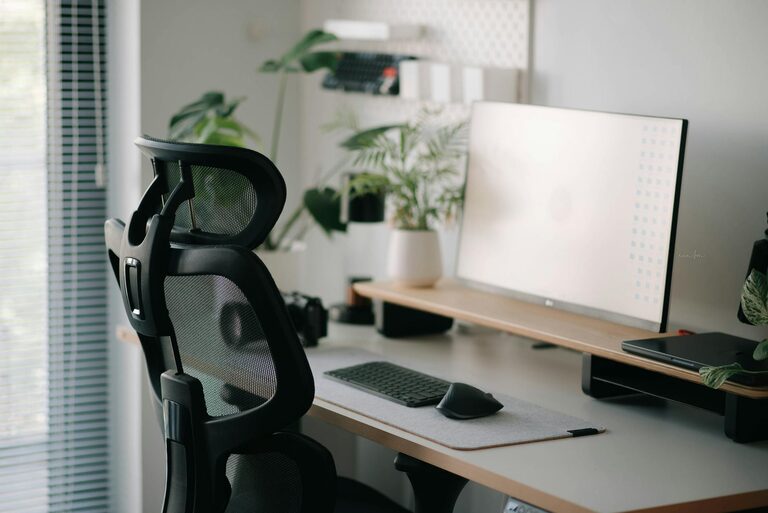
Creating a productive home office is essential for anyone working remotely or spending a significant amount of time at home on professional tasks. A well-organised and comfortable workspace not only helps you stay focused but also improves your overall well-being. In this post, we’ll explore practical tips to help you create an efficient and enjoyable home office environment.
Why a Productive Home Office Matters
When working from home, the environment around you plays a big role in how well you can focus and complete your work. Distractions, discomfort, or clutter can reduce productivity and cause stress. A dedicated and thoughtfully arranged home office helps set boundaries between work and personal time, making it easier to maintain a healthy work-life balance.
Choosing the Right Space
Find a Quiet Spot
Select a space in your home where you are least likely to be disturbed. Ideally, choose a room with a door you can close to minimise noise and interruptions. If a separate room isn’t available, a quiet corner away from high-traffic areas can work well.
Consider Natural Light
Position your desk near a window if possible. Natural light improves mood and alertness, reducing eye strain. However, avoid placing your screen directly opposite or in front of strong sunlight to prevent glare.
Check for Power and Connectivity
Ensure your workspace has easy access to power sockets and a strong internet connection. This avoids the hassle of trailing cables and keeps your devices charged and connected.
Ergonomics and Comfort
Invest in a Good Chair
A comfortable, supportive chair is crucial for long hours of work. Look for one with adjustable height, good lumbar support, and padding that fits your body well.
Desk Height and Positioning
Your desk should allow you to type with your forearms roughly parallel to the floor and your feet flat on the ground or on a footrest. This reduces strain on your wrists and back.
Screen at Eye Level
Place your monitor so the top of the screen is at or slightly below eye level. This helps maintain good posture and prevents neck strain.
Organising Your Workspace
Declutter Regularly
Keep your desk tidy and clear of unnecessary items. A clutter-free space helps maintain focus and reduces stress.
Use Storage Solutions
Introduce shelves, drawers, or organisers for documents, office supplies, and electronics. Everything should have a place, making it easier to find what you need quickly.
Cable Management
Use clips or cable organisers to keep wires tidy and out of the way. This not only looks cleaner but also prevents accidents.
Minimising Distractions
Set Boundaries
Inform family members or housemates of your working hours to limit interruptions. Using a closed door or noise-cancelling headphones can also help.
Use Timers and Breaks
Work in blocks of focused time, such as the “Pomodoro Technique” (25 minutes work, 5 minutes break). Short breaks refresh your mind and improve concentration.
Personalise Wisely
Decorate your office with a few personal touches like plants or artwork, but avoid overloading the space, which can become distracting.
Lighting and Ambience
Layer Your Lighting
Combine natural daylight with task lighting (like desk lamps) and ambient lights. Good lighting reduces eye fatigue and creates a welcoming atmosphere.
Maintain a Comfortable Temperature
Ensure your workspace is neither too hot nor too cold. A comfortable temperature helps you stay alert and comfortable.
Control Noise Levels
If background noise is unavoidable, consider soundproofing, white noise machines, or headphones to maintain focus.
Utilising Technology Efficiently
Reliable Equipment
Invest in quality technology that supports your work, such as a fast computer, a good quality headset, and a stable internet connection.
Software and Apps
Use productivity apps for task management, scheduling, and communication to stay organised and efficient.
Backup and Security
Regularly back up your work and keep your software updated to prevent data loss and security issues.
Maintaining Work-Life Balance
Define Your Work Hours
Set clear start and finish times to prevent overworking. Having a routine helps signal your brain when it’s time to work and when to relax.
Create a Shutdown Ritual
At the end of the day, tidy your desk, turn off your computer, and step away from your workspace to mentally “clock out.”
Take Care of Yourself
Incorporate regular exercise, healthy meals, and adequate sleep into your routine for overall well-being and increased productivity.
Final Thoughts
Creating a productive home office doesn’t require a huge budget or a dedicated room. By thoughtfully organising your workspace, investing in comfort, and establishing clear boundaries and routines, you can greatly improve your focus, efficiency, and enjoyment while working from home. Start with small changes and adjust your environment to fit your personal needs for the best results.
About the Author